

Age-old savoir-faire between land and sea
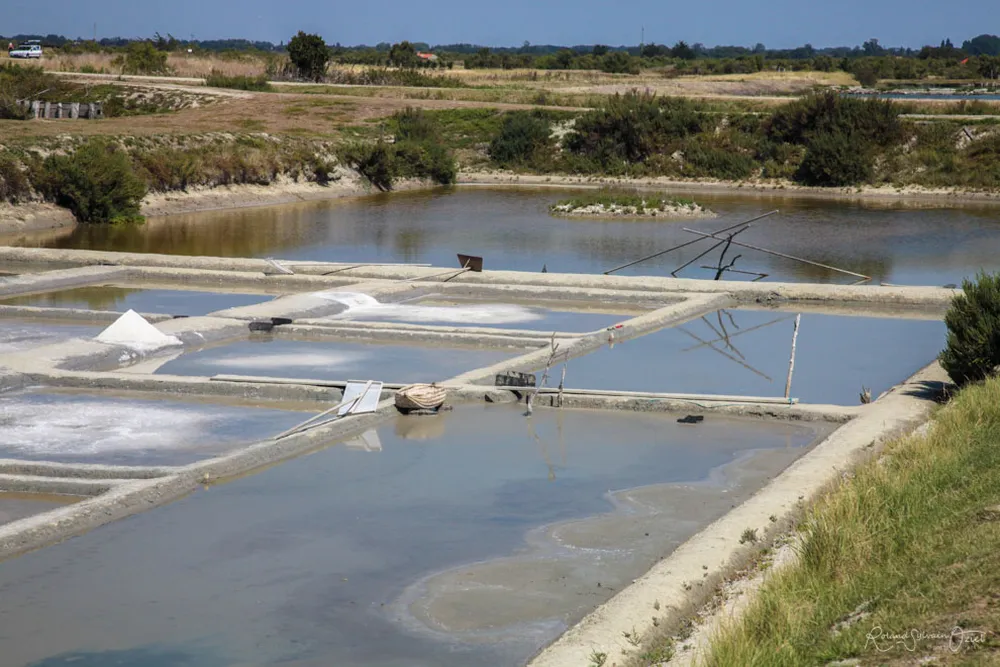
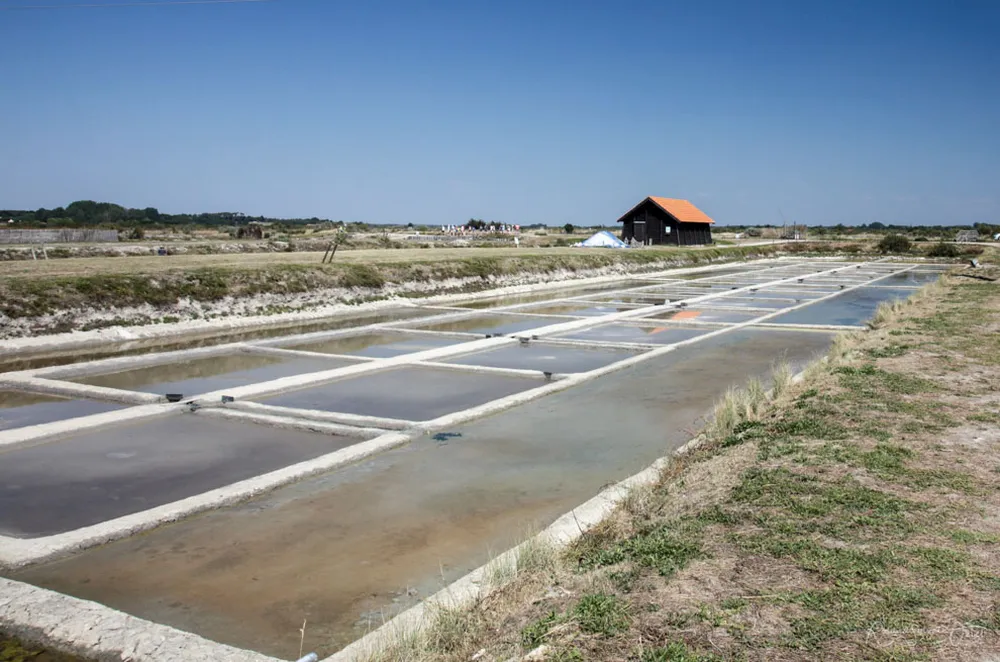
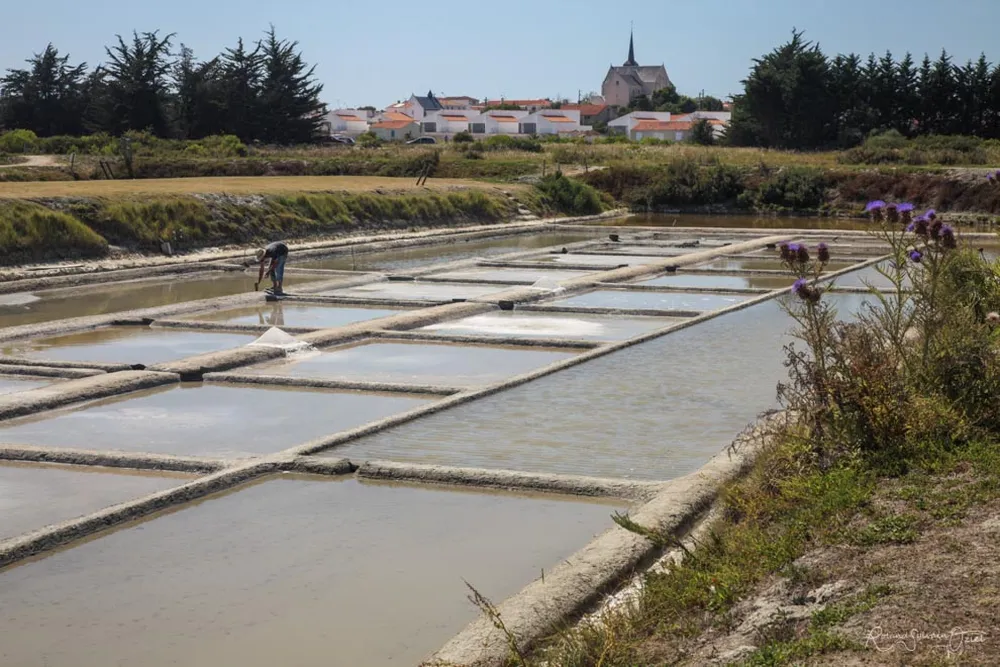
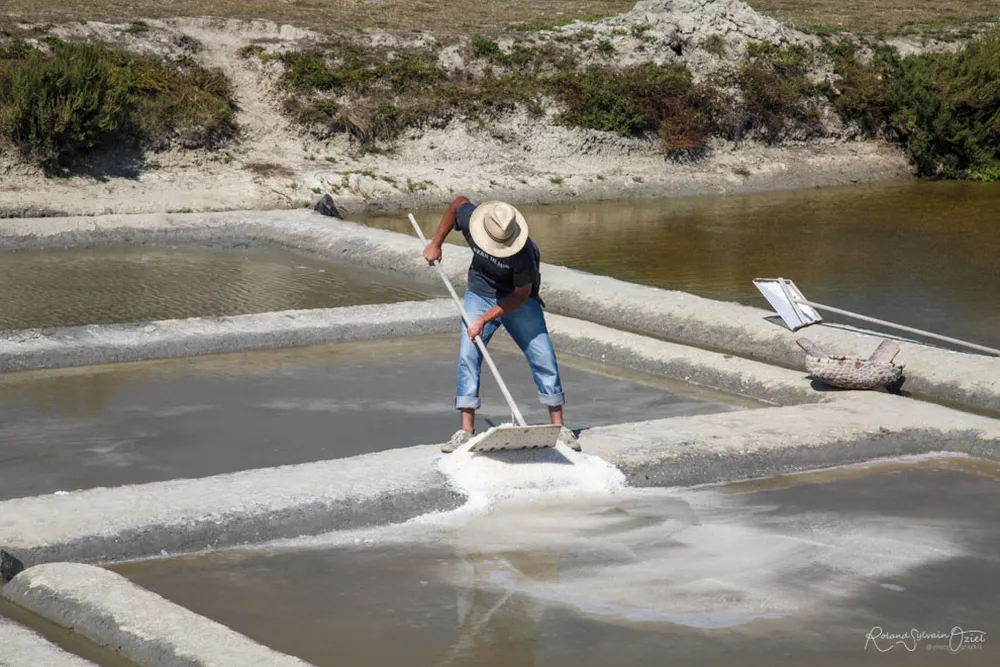
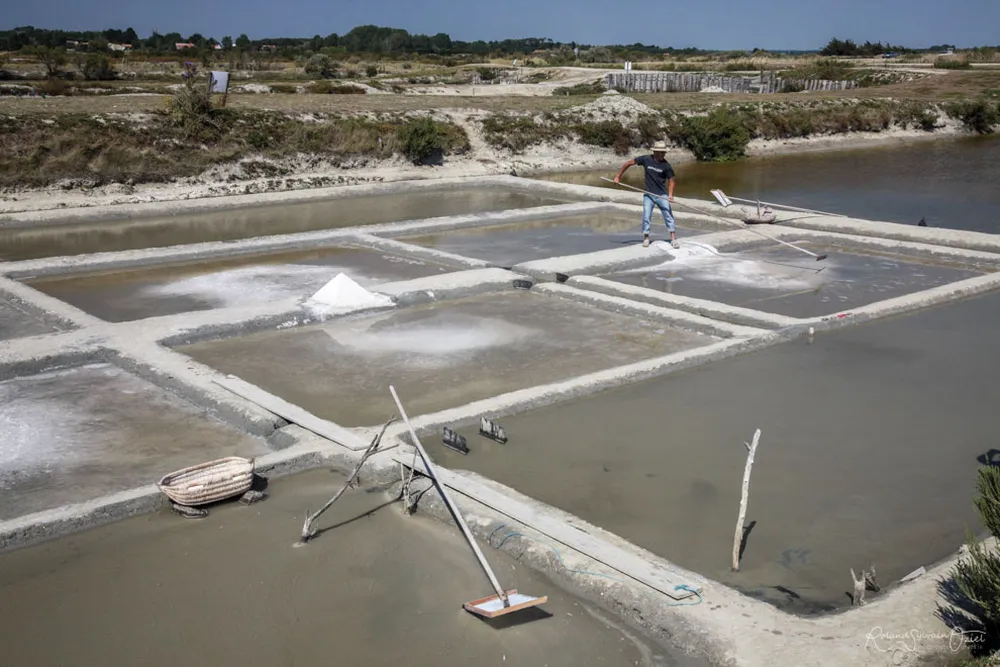
The salt marshes of the Challans region and the islands are landscapes that have been shaped by humans for centuries. This labyrinth of clay basins is not only beautiful to look at, but is a true natural factory where the sun and wind work in harmony with the salt worker (or paludieur). The process is ingenious: seawater flows by gravity through a succession of increasingly shallow basins, gradually evaporating until it reaches salt saturation. The salt worker then uses traditional tools, such as the lousse or the boutou, to delicately harvest the salt. It's a passionate profession, dictated by the weather, which requires a perfect knowledge of nature. Visiting a salt marsh means understanding how humans have learned to tame the ocean to extract this precious «white gold».
The harvest: Grey salt and Fleur de sel
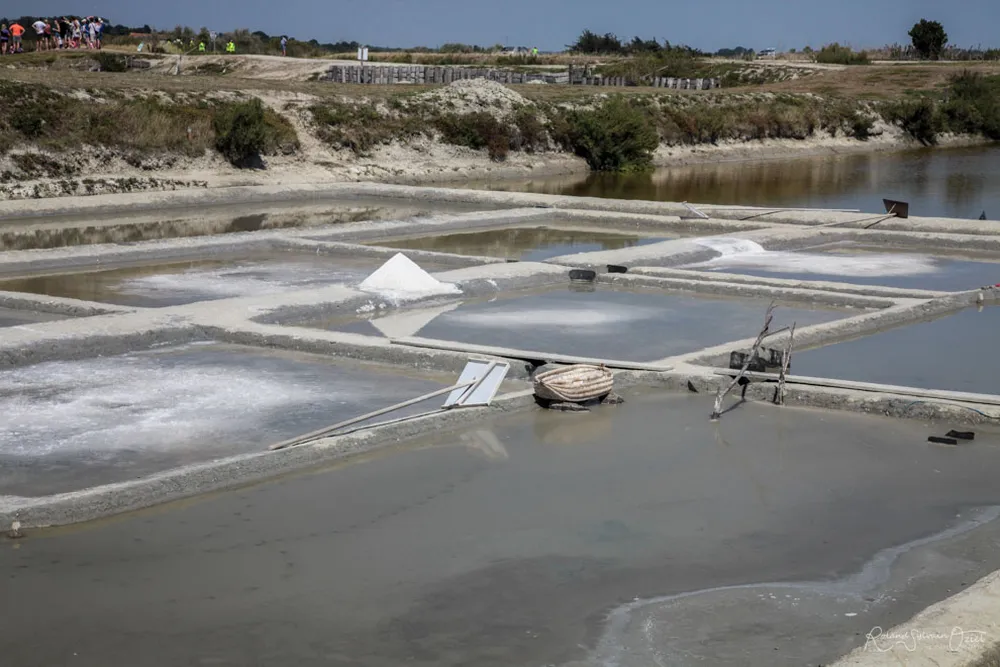
Salt harvesting primarily takes place during the summer, when evaporation conditions are optimal. Two main products are distinguished. Grey salt, rich in trace elements, crystallises on the clay bottom of the pond; it is harvested daily by the salt harvester. But the jewel of the salt marshes is fleur de sel. These are fine white crystals that form on the surface of the water under the effect of a light breeze. Very fragile, it must be carefully gathered using a flower skimmer. Renowned for its crunch and delicate aroma, Vendée fleur de sel is prized by gourmets worldwide. While walking along the salt marshes in the late afternoon, you can often see the salt harvesters at work, creating these small piles of white salt (mulons) that sparkle in the setting sun.
An ecosystem of exceptional biodiversity
Beyond their productive aspect, the salt marshes represent an incredible nature reserve for fauna and flora. The water here is of great purity, and the controlled water levels encourage the development of numerous species. Ornithology enthusiasts will be delighted: the marshes are major stopover and nesting sites for the Pied Avocet, the Black-winged Stilt, and the Shelduck. The flora is just as specific, with halophytic plants (that love salt) such as samphire, which can be enjoyed pickled in vinegar, or sea purslane. The colours of the marshes change according to the water's salinity, shifting from blue to purplish-pink, creating natural scenes of striking beauty. It is a space of absolute calm, where the hand of man has created a lasting harmony with the wild environment.